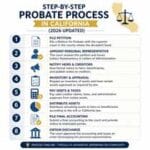
In California probate, creditor claims against a decedent’s estate are managed through a formal, court-supervised procedure aimed at safeguarding the interests of both creditors and heirs. Below is an outline:
1. Opening the Probate Estate
- A probate case is initiated in the Superior Court of the county where the decedent resided.
- The court designates a Personal Representative (PR):
- Executor (if a will exists)
- Administrator (if no will is present)
2. Notice to Creditors
California law mandates two forms of notice:
- Published Notice
- The PR is required to publish a Notice of Administration to Creditors in a local newspaper.
- This notice must be published once a week for three consecutive weeks.
- Direct (Actual) Notice
- Creditors who are known or can be reasonably identified must receive written notice directly by mail.
3. Time Limits for Filing Claims
Creditors are obligated to submit a Creditor’s Claim (Judicial Council Form DE-172) within specified deadlines:
- Four months following the issuance of Letters Testamentary/Administration, or
- Sixty days after the creditor receives direct notice
(whichever occurs later)
-> Claims submitted after the deadline are typically barred.
4. Review of Creditor Claims
The Personal Representative evaluates each claim and may:
- Approve the claim (accept it), or
- Deny the claim (in whole or in part)
The PR has a period of 30 days to respond after the claim is submitted.
Helping Clients in Los Angeles, High Desert, Riverside County, San Bernardino, Victorville and Entire Inland Empire
Call Us: 951-218-4083 Or 909-890-2350
5. If a Claim Is Rejected
- The creditor is required to initiate a lawsuit against the estate within 90 days of the rejection.
- If no lawsuit is filed within 90 days → the claim is permanently barred.
6. Priority of Payment of Claims
In cases where estate assets are inadequate, claims are settled in the following order (California Probate Code §11420):
- Administrative expenses (court fees, attorney fees)
- Funeral and burial costs
- Secured debts (e.g., mortgages)
- Federal and state taxes
- Medical expenses incurred during the last illness
- All other unsecured debts
Creditors with lower priority may receive partial payments or none at all.
7. Payment of Claims
- Approved claims are disbursed from estate funds.
- Secured creditors may enforce their claims against the estate.
The probate process in California can be complex. It is advisable to begin the process promptly to avoid complications. Consulting a qualified probate and estate litigation attorney like Law Office of Antoniette Jauregui . You can also call her at 951-218-4083 or 909-890-2350 to determine whether probate is necessary and to correctly navigate the legal process.
Or you can Contact Us through the following form:
The information given in this blog does not constitute the legal advice and this blog is not part of the services provided on this website. It might not be up-to-date and is provided here on free of cost on honorary basis and is not for profit. You may contact your attorney for professional advise. For more details, please visit Terms & Conditions, Privacy Policy and How we deal with Intellectual property page through the link given at the footer area of the website.